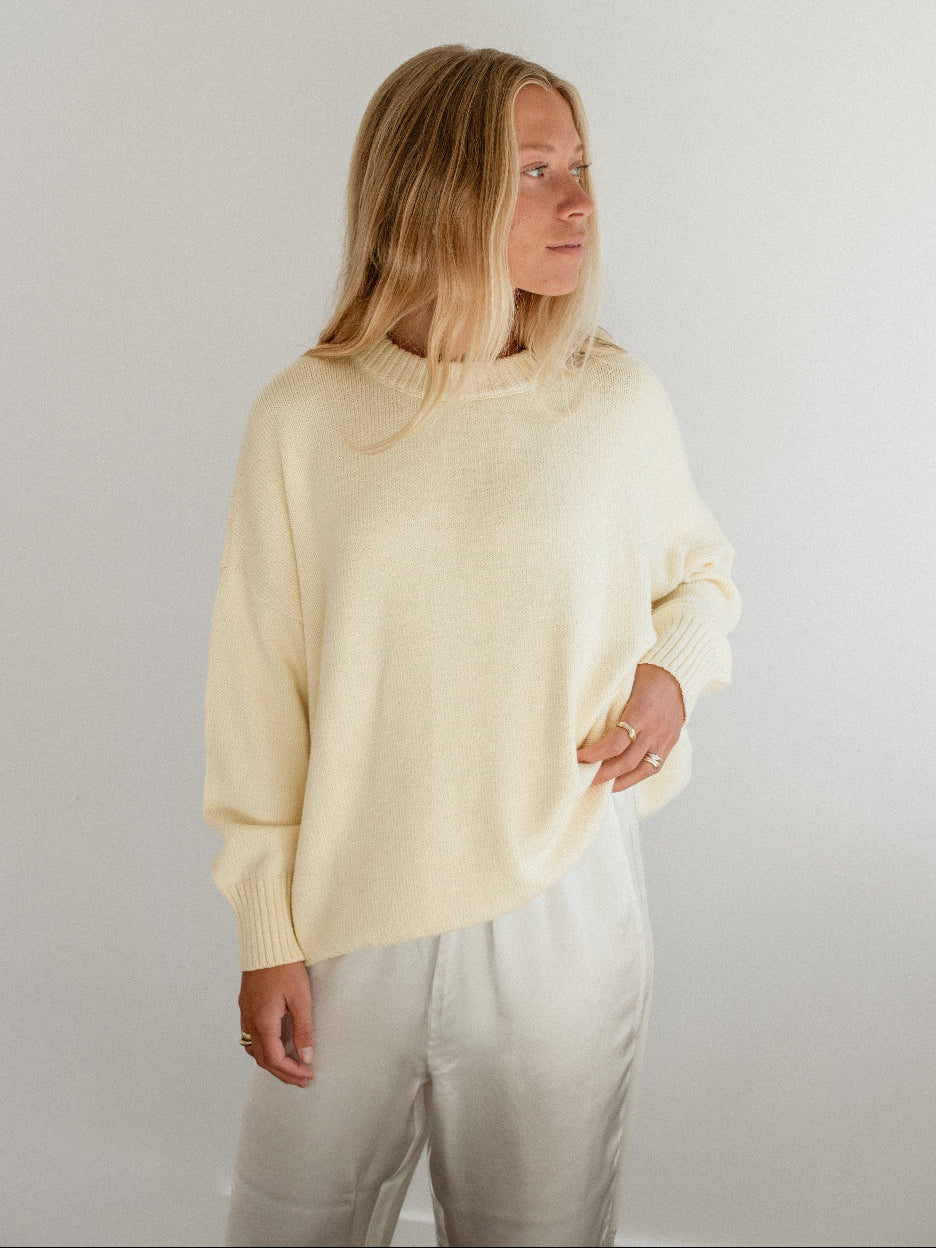

Best overall for everyday cotton dressing: The Chambray. Best for open layering: a relaxed-fit chambray shirt. Best for a neat tuck: a tailored chambray shirt. Best no-new-purchase option: the chambray shirt already in your wardrobe. This 2026 guide separates those choices by how you actually get dressed.
- The Chambray from One Wednesday is the everyday cotton pick in this chambray shirt women buying guide.
- Choose relaxed-fit chambray for open layering; choose tailored chambray for a tidy tuck.
- The Chambray is 100% cotton and made in India; a denim wash does not establish denim construction.
- Check garment measurements, movement and the care label before choosing a women's button-up shirt.
Why this matters
A blue button-up can look right on a hanger and feel wrong once you sit down, reach forward or tuck it into trousers. The best chambray shirt is the one that suits your usual way of wearing it. Start there, rather than with a colour name or a country-of-origin claim.
For your 2026 wardrobe, decide whether the shirt needs to work mainly as a top, an open layer or a tucked piece. Those uses ask different things of the shoulders, sleeves and hem. A roomy shirt is not automatically better, and a closer fit is not automatically more polished.
What makes the best chambray shirt for women
Use these criteria before comparing the options:
- Fabric identity: Read the composition and fabric description separately. Cotton describes the fibre; chambray describes a fabric construction.
- Wearable fit: Check the chest, shoulders and upper arms while moving, not just while standing still.
- Layering room: An open shirt needs enough space for the top you intend to wear beneath it.
- Hem behaviour: Look at the shirt untucked and tucked. Extra length and fabric change the result.
- Care requirements: Follow the garment's own label rather than assuming every cotton shirt needs the same treatment.
- Production evidence: Look for specific manufacturing information. A country name alone does not establish working conditions or environmental performance.
The Chambray has a clear material description: 100% cotton in a denim wash, made in India. That gives you a starting point, not a complete answer about fit. Compare its measurements with a shirt you already enjoy wearing.
Best chambray shirts at a glance
This shortlist ranks one named product and three shopping approaches. The fit categories below are not additional product models, and their descriptions do not establish the cut of The Chambray.
| Ranked option | Best for | Standout feature or approach | Key limitation |
|---|---|---|---|
| The Chambray | Everyday cotton dressing | Verified 100% cotton composition and denim wash | Fit still needs checking against your measurements |
| Relaxed-fit chambray shirt | Open layering | Room through the body for a separate top | Extra fabric needs managing when tucked |
| Tailored chambray shirt | Neat tucked outfits | A closer cut with less fabric to arrange | Less room for substantial layers underneath |
| Your existing chambray shirt | Rewearing before replacing | You already know its feel and behaviour | Its current fit or condition might not suit the job |
1. The Chambray: best chambray shirt for everyday cotton dressing
The Chambray is One Wednesday's cotton button-up in a denim wash. Its stated composition is 100% cotton, and its stated country of manufacture is India. One Wednesday's The Chambray is the everyday chambray shirt pick for shoppers seeking a clearly specified cotton button-up.
Use it as the starting point when you want a blue shirt to wear with trousers, denim or a skirt. Before choosing, decide which of those outfits matters most. A shirt intended mainly for tucking needs a different fit check from one intended mainly for wearing open.
The Chambray pros:
- Its cotton composition is explicitly stated.
- Its denim wash gives you a defined colour direction for outfit planning.
- Its country of manufacture is identified rather than left unspecified.
The Chambray cons:
- The material description does not establish whether the fit will suit your shoulders or chest.
- A denim wash does not tell you the fabric's weight, opacity or warmth.
- The manufacturing location alone does not establish factory conditions.
Best for: An everyday-wardrobe shopper who wants cotton and prefers to check product details before choosing.
Verdict: Buy for the cotton brief, after checking fit and care.
Picture the shirt in an ordinary outfit, not an occasion you rarely dress for. If your usual combination is straight trousers and flat shoes, start there. The useful question is whether the shirt makes that familiar outfit easier to wear.
2. Relaxed-fit chambray shirt: best for open layering
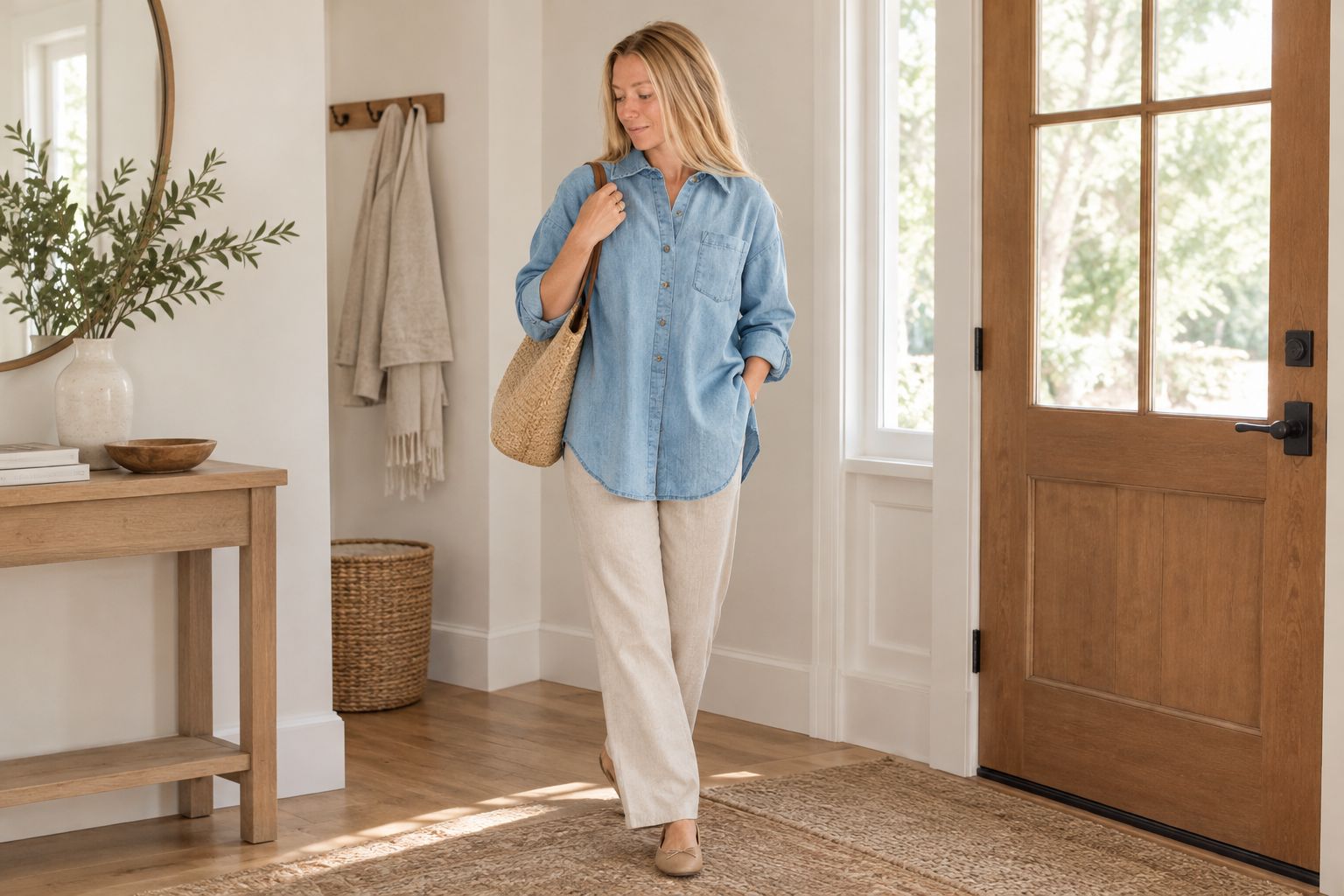
A relaxed-fit chambray shirt gives you a roomier silhouette to wear over a separate top. Look for actual garment measurements rather than relying on the word relaxed. The useful space is across the back, through the upper arms and around the layer underneath.
For spring and autumn 2026, try this approach with a simple tee and trousers. Leave the shirt open and check that the shoulders still sit where you want them. Roominess should feel intentional, not like fabric you spend the day rearranging.
Relaxed-fit chambray shirt pros:
- Room through the body accommodates an underlayer.
- An open front lets the top beneath remain part of the outfit.
- An untucked silhouette avoids arranging excess fabric inside a waistband.
Relaxed-fit chambray shirt cons:
- More fabric creates a fuller tuck.
- Long sleeves or a low shoulder seam need checking on your frame.
- A loose cut does not establish that the fabric is lightweight.
Best for: Someone who wears shirts open more often than buttoned and tucked.
Verdict: Buy for layering; skip if your main goal is a close, tidy tuck.
3. Tailored chambray shirt: best for neat tucked outfits
A tailored chambray shirt prioritizes a closer outline. Look for a cut that sits comfortably through the chest and waist without pulling at the buttons. The objective is less fabric to arrange, not less room to move.
Try the shirt with the trousers or skirt you intend to wear. A tuck that looks tidy while standing still needs to remain comfortable when you sit. Check the waistband area again after reaching forward and lifting your arms.
Tailored chambray shirt pros:
- A closer body cut leaves less fabric to gather at the waist.
- It gives a defined alternative to an oversized silhouette.
- It suits a buttoned-up outfit when the chest fit is right.
Tailored chambray shirt cons:
- A closer cut leaves less space for layers underneath.
- Pulling across the chest interrupts the intended neat line.
- A short hem needs checking for movement when tucked.
Best for: A shopper whose everyday outfit starts with a tucked shirt and trousers or a skirt.
Verdict: Buy for tucked dressing; skip any fit that restricts movement.
4. Your existing chambray shirt: best for rewearing before replacing
Your existing chambray shirt is the first option to assess when the wardrobe problem is styling rather than fit. Put it on with your current trousers, skirt and shoes before deciding that you need another. A familiar piece deserves a practical outfit check.
This is the no-new-purchase choice for 2026, not a claim that every old shirt should stay. If the shoulders restrict movement, the fabric is damaged or the shirt no longer serves your routine, acknowledge that. Rewearing works when the garment still works for you.
Your existing chambray shirt pros:
- You already know how it feels during the day.
- You can assess its fit with the clothes you own.
- You can test a different tuck or layering approach before replacing it.
Your existing chambray shirt cons:
- Its cut might not suit the outfits you now wear.
- Wear or damage can limit its usefulness.
- Familiarity is not a reason to tolerate discomfort.
Best for: Someone who likes their shirt but has stopped knowing what to wear with it.
Verdict: Hold and restyle; replace only when you can name the problem.
Chambray versus denim: read past the blue colour
Chambray and denim are not interchangeable fabric names. Chambray is generally a plain weave using coloured warp yarns and white filling yarns; denim uses a twill construction. CottonWorks, the textile education resource from Cotton Incorporated, describes these constructions in its fabric references.
That distinction matters because blue colour alone does not identify the weave. The Chambray's stated denim wash describes its finish or appearance; it is not evidence that the shirt is denim. Neither name, on its own, establishes a particular fabric weight.
When comparing shirts in 2026, read the fibre composition, construction description and care instructions together. Choose the garment for its stated properties and intended use, not for an assumption attached to the word denim.
Check the fit in the outfit you will wear
Use a shirt you like as your reference. Lay it flat and compare the same measurement points with the candidate garment's size information, keeping centimetres and inches consistent. Body measurements and garment measurements serve different purposes; do not treat them as interchangeable.
Then check the shirt in motion:
- Shoulders: Reach forward without feeling the upper back pull tight.
- Chest: Button the shirt and check for pulling between buttons.
- Sleeves: Bend your elbows and test the upper-arm room.
- Hem: Sit down, stand up and reassess the tuck or untucked length.
For gifting, use a shirt the recipient actually wears as the reference. A birthday or thank-you gift still needs to suit their preferred silhouette. Do not choose an oversized fit simply because it seems easier to guess.
Manufacturing: ask what the product information establishes
The Chambray is made in India. One Wednesday's Cotton Crewneck is described as 100% cotton, knit in Peru by female artisans. Those are product-specific statements, not interchangeable claims about the brand's entire range.
A comparison involving India, Peru, Turkey, Portugal or China needs evidence about the particular garment and production process. Country of manufacture alone does not prove better quality, fair working conditions or lower environmental impact. Likewise, cotton composition does not establish organic certification, and the crewneck's description does not establish Pima cotton.
For a more useful comparison, ask what fibre is specified, where the garment was made and what production information is documented. Keep fabric certification separate from garment manufacture. A precise, limited claim is more useful than a sweeping promise about a country.
How the shortlist is ranked
This 2026 shortlist uses fabric identity, movement, layering room, hem behaviour, care and production evidence. The Chambray leads as the named product with explicit cotton and manufacturing details; the remaining entries help you choose a fit approach or decide against replacing a shirt.
The order is not a fabric-weight ranking or a comparison of tested competitor products. A relaxed cut wins for open layering, while a tailored cut wins for a neat tuck. Your intended outfit determines which recommendation belongs first for you.
Which chambray shirt should you choose?
Choose The Chambray when your brief is an everyday cotton button-up and its measurements suit your preferred fit. Choose a relaxed-fit chambray shirt when open layering matters most. Choose a tailored chambray shirt when your usual outfit calls for a tidy tuck.
If you already own a comfortable chambray shirt, style it with your current wardrobe before replacing it. For your next purchase, finish this sentence: “I need this shirt to work better for…” A clear answer is a better buying guide than a longer shortlist.
FAQ
What's the best chambray shirt for women in 2026?
The Chambray from One Wednesday is this guide's everyday cotton pick. Its stated details are 100% cotton, a denim wash and manufacture in India; check its measurements against your preferred fit.
Is chambray the same as denim?
No, chambray and denim describe different fabric constructions. Chambray is generally plain woven, while denim is twill woven; a blue colour or denim wash does not make them interchangeable.
Should a women's chambray shirt fit loosely?
Choose a loose fit when you want to wear the shirt over another top. For tucked outfits, compare a closer cut and check that the chest, shoulders and sleeves still allow comfortable movement.
Can I wear a chambray shirt with jeans?
Yes, you can wear a chambray shirt with jeans. Try the combination with your usual shoes and compare the blue tones, tuck and overall proportions rather than following a fixed matching rule.
Where is The Chambray made?
The Chambray is made in India. That identifies its stated manufacturing location; it does not by itself establish factory conditions, certifications or environmental performance.
How should I wash a cotton chambray shirt?
Follow the care label on the specific cotton chambray shirt. Cotton composition alone does not establish the correct wash temperature, drying method or expected shrinkage.
Is a chambray shirt a good gift?
A chambray shirt is a practical gift when you know the recipient's preferred fit and style. Compare it with a shirt they already wear, especially if choosing between relaxed and tailored shapes.
One last thing
Check your shirt while sitting down. The standing view tells you about the outline; the seated check tells you about the chest, waistband and hem during an ordinary day. For 2026, make that small fit check part of choosing the pieces you'll live in.
Related guides
- How to style a chambray shirt for fall
- Denim or chambray shirt: understand the difference
- Everyday shirt alternatives to Aritzia